

A quantity takeoff is the measured list of materials and labour items a project needs, taken directly from the drawings. It is the foundation of every reliable construction estimate.
Quantity takeoff, defined
A quantity takeoff (QTO), also called a material takeoff, is the process of measuring every item a construction project requires straight from the plans and specifications: cubic metres of concrete, square metres of plasterboard, lineal metres of pipe, numbers of doors, fixtures and fittings. The output is a structured list of quantities, grouped by trade, that an estimator then prices.
The word takeoff comes from the practice of 'taking off' dimensions from the drawings. Today that work is done on screen in tools such as Bluebeam, PlanSwift and CostX, but the discipline is unchanged: count and measure everything once, accurately, and record where each quantity came from.
What a takeoff actually includes
A complete takeoff goes well beyond the obvious materials. For a concrete slab, for example, the list covers the concrete volume by strength grade, reinforcing mesh and bar by size, bar chairs, vapour barrier, edge formwork, waste factors, pump hire and curing compound.
- Quantities by trade: site work, concrete, masonry, structural steel, framing, roofing, plasterboard, finishes, plumbing, electrical and mechanical
- Units that match how the trade buys: tonnes of steel, sheets of plasterboard, lineal metres of skirting
- Waste and lap allowances appropriate to each material
- Location references so every number can be traced back to a drawing and grid line
- A summary sheet totalling each trade for pricing
Why takeoff accuracy decides your margin
Studies of tender outcomes consistently show that most cost blowouts trace back to quantities that were missed or double counted, not to unit rates. A rate that is 5% out on one trade is survivable. A missed lift pit, an unmeasured retaining wall or a plasterboard area counted once instead of both sides is not.
Accurate quantities also sharpen your subcontractor comparisons. When you issue a measured bill to three plumbers, their prices become comparable line by line, and the outlier who missed something is obvious before you sign.
Common takeoff mistakes
- Scaling from PDFs that were not plotted at the stated scale (always calibrate from a known dimension)
- Measuring floor areas once and forgetting that walls, ceilings and floors each need their own quantity
- Ignoring revisions: a takeoff from superseded drawings is worse than no takeoff
- Applying one blanket waste percentage to every material
- Forgetting temporary works, scaffolding, cranage and site establishment
Doing it in-house versus outsourcing
A detailed takeoff for a mid-size commercial project takes an experienced estimator two to five days. For a contractor pricing six tenders a month that is a full-time role, and the work arrives in bursts that rarely match staff capacity.
Outsourced estimating firms like Qestimation absorb those peaks. You send the drawings, we return a trade-by-trade takeoff with colour-coded marked plans and a priced summary, usually within two to five business days. Learn more about our quantity takeoff and pricing service or request a free quote.
Need this done for your project?
Upload your drawings and get a fixed-price estimating quote within 24 hours.
Related articles

How Much Does a Construction Estimate Cost in Australia?
Outsourced construction estimates in Australia typically cost between a few hundred dollars for a single-trade takeoff and a low four-figure sum for a full commercial bid, far less than the margin lost on one mispriced tender.
Read article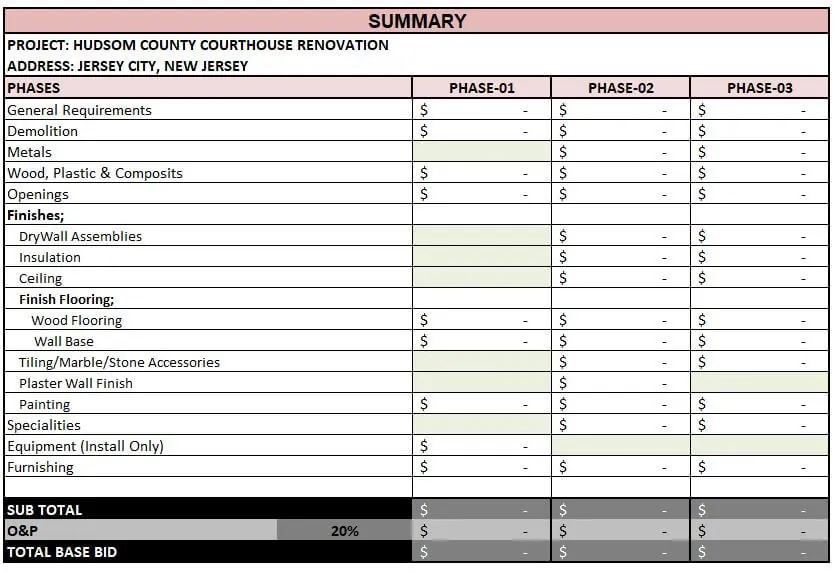
Bid Estimate vs Budget Estimate: Which One Does Your Project Need?
A budget estimate forecasts cost from early design to test feasibility, usually within 10 to 20 percent. A bid estimate is a fully measured, priced tender figure accurate to a few percent.
Read article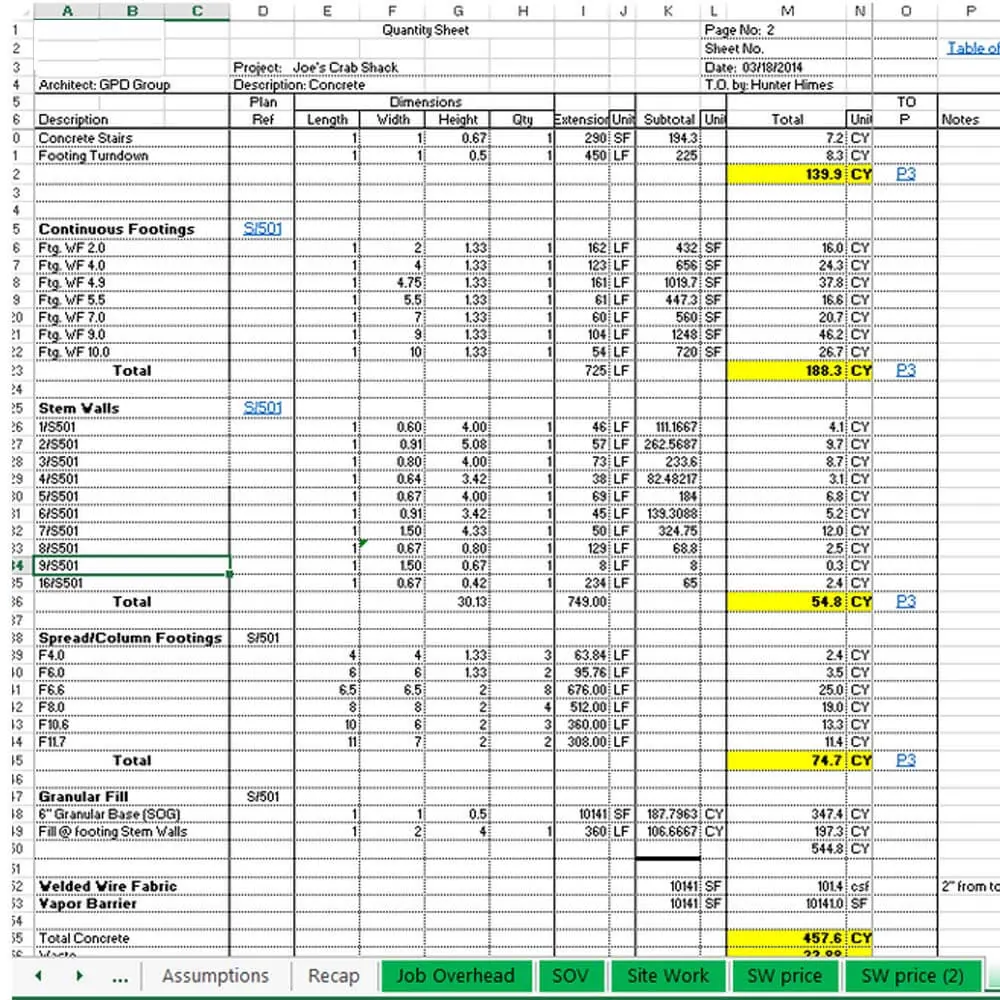
How to Win More Construction Tenders Without Cutting Your Margin
Contractors win more tenders by pricing from accurate quantities, comparing subcontractors line by line, pricing risk explicitly and presenting a bid the client can trust, not by shaving margin.
Read article